 aibio
Genprex signs CDMO deal to scale up diabetes gene therapy manufacturing
Tickers GNPX
The contract manufacturer will make drug product for IND-enabling preclinical studies and future clinical trials of the company's AAV-based diabetes gene therapy.
Key facts
- Company
- Genprex, Inc. (NASDAQ: GNPX)
- News type
- Company Updates
- Primary source
- Genprex, Inc. 8-K (2026-08-18)
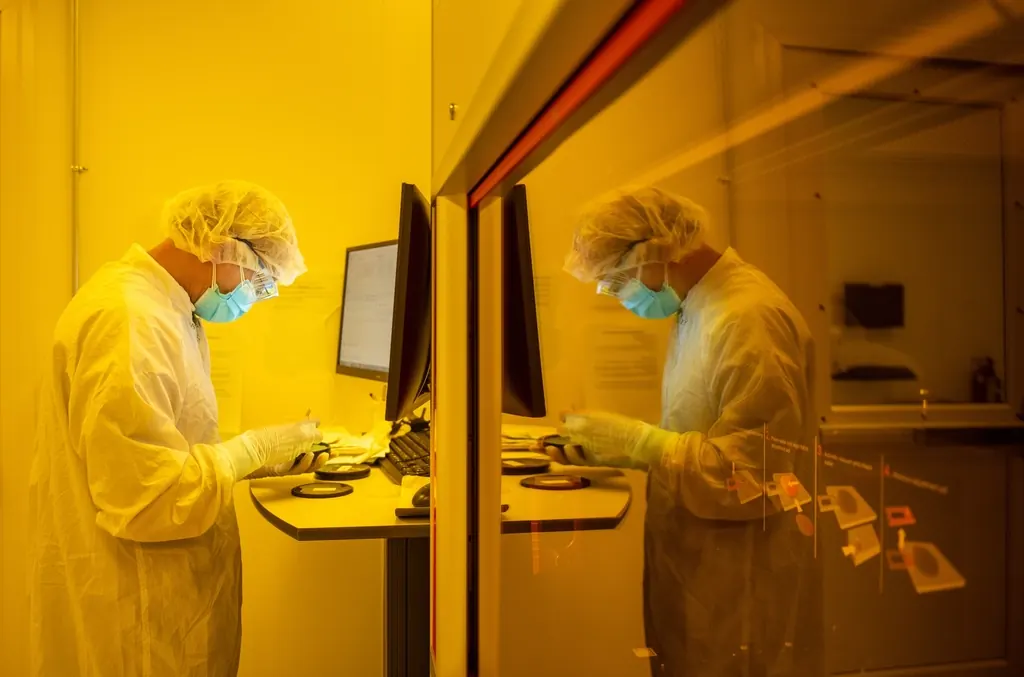
Genprex, Inc. (Nasdaq: GNPX) said on August 18, 2026 that it has entered into a development and manufacturing agreement with a clinical and commercial contract development and manufacturing organization, or CDMO, to scale up production of its diabetes gene therapy. The company announced the agreement in a press release and in a Form 8-K filed the same day. The filing describes the CDMO only as a leading U.S. based clinical and commercial CDMO, and the text does not name it.
The agreement
According to the filing, the CDMO will manufacture and supply drug product for Genprex's IND-enabling preclinical studies and for future clinical trials. The work will take place in a current Good Manufacturing Practices, or cGMP, compliant facility. The company said the agreement moves the candidate from research-grade production to clinical and commercial-ready output.
The manufacturing roadmap has four technical priorities. The first is process optimization using the latest AAV production technologies to increase production efficiency. The second is scale up, using capacity bioreactors to increase dose availability ahead of multi-center trials. The third is analytical qualification and development of a potency assay to ensure AAV potency, stability and purity. The fourth is GMP compliance, to support future regulatory submissions.
The diabetes program
The candidate delivers the Pdx1 and MafA genes into the pancreas through the pancreatic duct, using an AAV vector. Genprex said it has modified the plasmid construct to increase the stability of expression and to align the backbone with other plasmids used for AAV products. The new plasmid has been cloned, purified and manufactured, and it is currently being used in AAV manufacture.
The company has not filed an IND for the diabetes candidate, and every efficacy result in the filing comes from mice or non-human primates, with no human data. The filing says a separate strategic collaboration with a CDMO is researching non-viral lipid nanoparticle delivery, which could allow for potential re-dosing of patients. Genprex describes the candidate as a potential treatment for both type 1 diabetes (T1D) and type 2 diabetes (T2D). In T1D, the candidate is designed to transform alpha cells in the pancreas into functional beta-like cells that can produce insulin and may be distinct enough from beta cells to evade the immune system. In T2D, the filing says the candidate replenishes and rejuvenates exhausted beta cells in mouse and non-human primate models. The filing also reports that in T1D mouse models the candidate restored normal blood glucose levels for an extended period. In non-human primate models it decreased insulin requirements, increased c-peptide levels and improved glucose tolerance.
The 10-K business section also describes the oncology program. REQORSA is being studied in the Acclaim-1 trial with Tagrisso and in the Acclaim-3 trial with Tecentriq. The Acclaim-2 trial with Keytruda has stopped enrolling, and the 10-K says it closed due to slow enrollment. The company has been collaborating with researchers at MD Anderson to identify biomarkers that might predict response to REQORSA in lung cancer.
Financial position and what comes next
For the fiscal year ended December 31, 2025, Genprex reported research and development expense of $9.4 million, compared with $10.5 million in 2024. Net loss was $16.2 million for 2025 and $21.1 million for 2024. Cash from operations was negative $15.3 million for 2025 and negative $17.9 million for 2024. Year-end cash and cash equivalents were $7.8 million for 2025 according to a 10-Q filed August 14, 2026, and $15.2 million at June 30, 2026 according to the same 10-Q.
The filing ties the CDMO work to IND-enabling preclinical studies and future clinical trials, but it gives no dates for either. It does not name the manufacturer, give the price or term of the agreement, or say how the work will be paid for. Cash used in operations was $15.3 million in 2025, against $15.2 million of cash at June 30, 2026, and the 10-K says Acclaim-2 was dropped partly to prioritize resources.